
Nine Latvian cultural spaces featured in the European Heritage Days catalogue
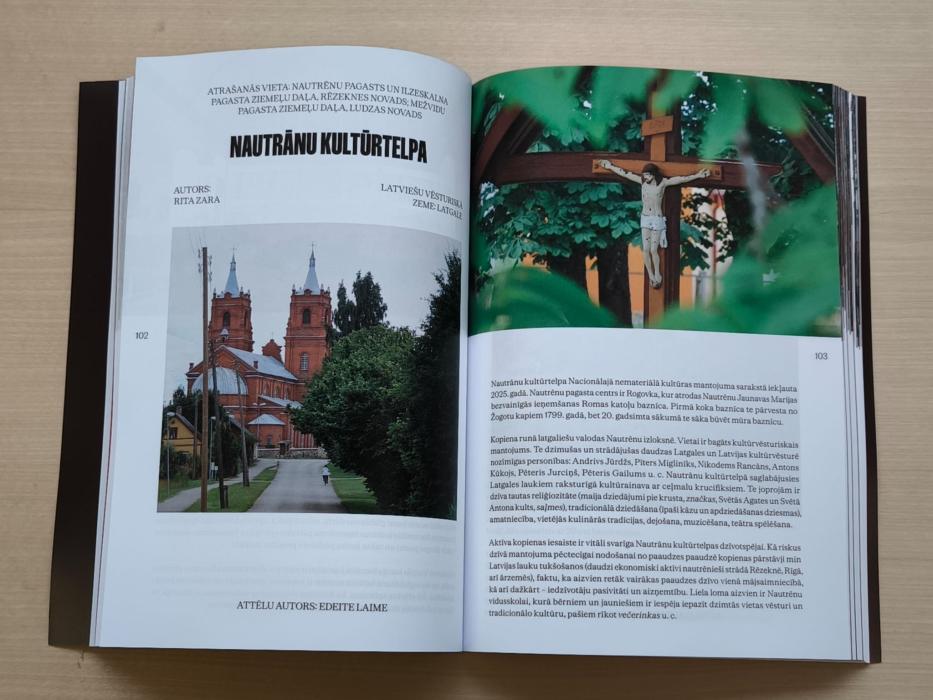
From 11 to 13 September, European Heritage Days 2026 took place across Latvia. Each year, European Heritage Days focus on a specific theme, and this year’s theme is heritage at risk. In Latvia, European Heritage Days are organised by the National Heritage Board.
Viewing cultural heritage not only as a testimony to the past but also as a living and evolving part of culture, the National Heritage Board invited the public to consider the various threats facing cultural heritage:
- climate change and environmental impacts, which accelerate the deterioration of buildings and landscapes and increase damage caused by floods, storms, and erosion;
- demographic and social changes, which contribute to the loss of traditional skills and the abandonment of sites of cultural and historical significance;
- economic challenges, which limit the resources available for the maintenance and restoration of heritage;
- urbanisation and development pressures, which often create tensions between heritage preservation and the introduction of new functions;
- a lack of knowledge and understanding, which can lead to inappropriate management or a failure to recognise and appreciate heritage values.
To raise awareness of the risks threatening the preservation of heritage and to highlight ways in which society can become involved in mitigating these risks, the European Heritage Days catalogue “Cultural Heritage: Crises and Solutions” has been prepared and published.
The publication features descriptions of 98 cultural heritage sites and elements from across Latvia. Among them are nine cultural spaces included in Latvia’s National Inventory of Intangible Cultural Heritage: the Bārta Cultural Space, Livonian Cultural Space, Nautrēni Cultural Space, Nīca Cultural Space, Piebalga Cultural Space, Rucava Cultural Space, Suiti Cultural Space, Upīte Cultural Space, and the Vidzeme Livonian Cultural Space.
The profiles of the cultural spaces, which examine the risks facing living heritage, were prepared by intangible cultural heritage researchers Ieva Vītola and Rita Zara. They are members of the research team working on the strand “Resilience of Heritage Communities in the Context of National Security” within the State Research Programme project “NAMS: Latvian Identity and Knowledge Strategies as Resources for Societal Resilience”.
The catalogue entries were prepared in cooperation with the Latvian National Centre for Culture. They will serve as a useful resource for representatives of cultural-space communities and for anyone concerned with cultural resilience and preparedness for crises.