
(Ethno)musicological Conversations. A Conversation with Zane Šmite
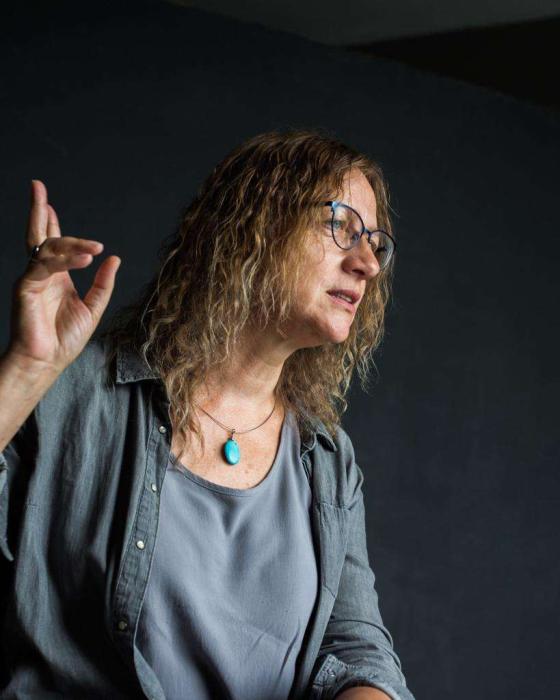
The Institute of Literature, Folklore and Art of the University of Latvia continues its public event series (Ethno)musicological Conversations. On Wednesday, 20 September at 5:00 p.m., the second conversation will take place with singer, vocal pedagogue, and ethnomusicologist Zane Šmite, focusing on voice research by combining knowledge of vocal physiology with possibilities offered by computer-based measurements. The conversation will be held in person at the Latvian Folklore Archives Reading Room on the 5th floor of the Latvian National Library.
Zane Šmite is a singer and holds a Master’s degree in ethnomusicology, with training across traditional, academic, and popular singing styles. Her experience has developed through long-term musical practice as well as pedagogical work, teaching singing to ethnomusicology students, actors, and enthusiasts of traditional singing. In recent years, she has actively focused on voice research from both physiological and computational perspectives, mastering the latest software and methodological approaches used in voice science. She has conducted in-depth research on the soloist style of Northern Latgale tolku bolsa, using various computer programs (e.g., Sonic Visualiser, VoceVista) to measure characteristics of sound production and performance. In the conversation, Zane Šmite will share her thoughts on voice research in the context of contemporary vocal diversity and technological development. Her research contributes to the growing field of digital musicology, which has also been gaining momentum in Latvia in recent years.
The aim of the (Ethno)musicological Conversations series is to foster the development of Latvian ethnomusicology (and musicology in the broader sense) and to popularize the field. The series will include lectures and discussions on current and forthcoming research and publications, debates on issues important to the discipline, reviews of recent scholarly literature, participation by international guests, and overviews of significant events. It also seeks to introduce emerging and early-career (ethno)musicologists. The meetings are open and public.
Photo © Artūrs Kondrāts