
A discussion titled “Liepāja: A Resort City or a Cultural City?” will take place, along with the final presentations of the summer school
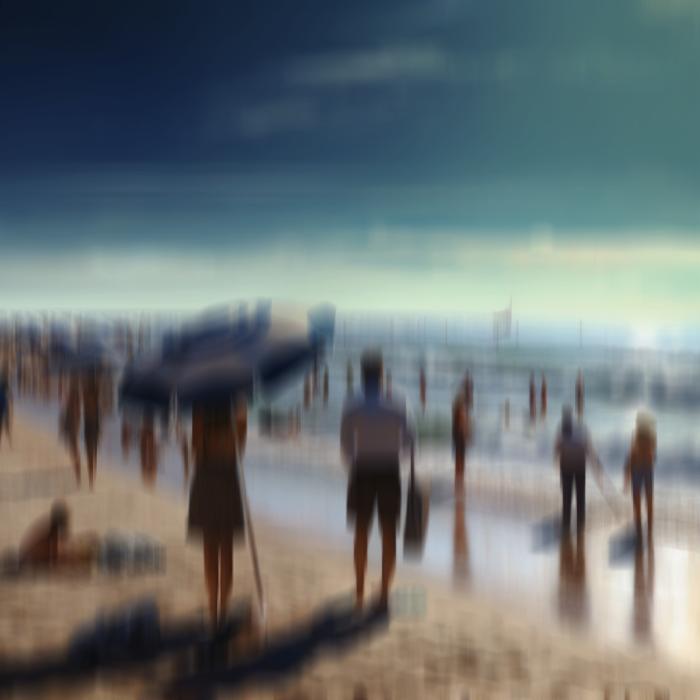
From August 22 to 25, the summer school “Landscapes of a Resort City: History, Culture and Environment” will take place in Liepāja, aiming to create as comprehensive a view as possible of life in a resort city. Over the course of three days, students from various Latvian universities will explore both the historical and contemporary resort-city landscape of Liepāja, as well as its urban ecosystem, communities, and culture.
On Friday, August 25, at 10:00 AM, the participants of the summer school will present the results of their research and creative work to all interested attendees. At 11:30 AM, residents and visitors of the city are invited to take part in the discussion “Liepāja: A Resort City or a Cultural City?”
Liepāja has long been known as a popular leisure destination and was granted official resort-city status in 2015. At the same time, it hosts a vibrant cultural life and is currently preparing to become the European Capital of Culture in 2027. How do these roles and functions overlap, complement, or perhaps compete with one another? What do they mean for local everyday life and identity? What urban development perspectives do these two roles offer? These and related questions will be discussed by representatives of Liepāja’s urban planning, cultural, and business sectors, with the audience also invited to join the conversation.
During the summer school, participants will have the opportunity to engage in in-depth exploration of Liepāja’s urban environment and identity together with experienced researchers and experts from various fields. In an experimental urban laboratory led by architect and researcher Dina Suhanova and artist Madara Kvēpa, participants will analyse resort artefacts and carry out urban interventions using creative research methods. Together with oral historian Ieva Garda-Rozenberga, human geographer Kristīne Āboliņa, and sociologist Jānis Daugavietis, students will learn about oral history and biographical approaches in the study of identity landscapes, explore the concept of community and place attachment, and collaboratively create a sensory map of Liepāja’s urban environment.
Under the guidance of literary scholar Zanda Gūtmane and anthropologist Liene Millere, participants will examine the role of storytelling in shaping the sense of place and identity in a resort city, ultimately creating a place-based narrative rooted in Liepāja’s urban environment. Architect Gunta Šnipke, historian Gunārs Silakaktiņš, and urban researcher Mārtiņš Eņģelis will help participants explore the architectural landscape of the historical and contemporary resort city, while researcher of traditional culture Ieva Vītola and archaeologist Juris Urtāns will introduce participants to the traditions, legends, and folklore of the resort city.
The final public presentations will take place on August 25 at 10:00 AM at Kūrmājas prospekts 13, Liepāja. At 11:30 AM, everyone is welcome to join the discussion “Liepāja: A Resort City or a Cultural City?” Participants in the discussion will include Inta Šoriņa (Chair of the Board of Liepāja 2027), Zita Lazdāne (Head of Public Relations and Marketing, Liepāja 2027), Uģis Kaugurs (Chief Architect of Liepāja), Professor Zanda Gūtmane (Liepāja University), and Sandis Kirhners (Project Manager at SIA “UPTK” and owner of the restaurant “Parka paviljons”). The discussion will be moderated by Dzintars Hmieļevskis.
The summer school is organised and its programme developed by researchers from the Institute of Literature, Folklore and Art of the University of Latvia, the Institute of Contemporary Art, Design and Architecture of the Art Academy of Latvia, Liepāja University, the Latvian Academy of Culture, and Rēzekne Academy of Technologies.
The summer school is supported by the National Research Programme project “IDEUM: Landscapes of Identities: History, Culture and Environment” (VPP-LETONIKA-2021/2-0008).