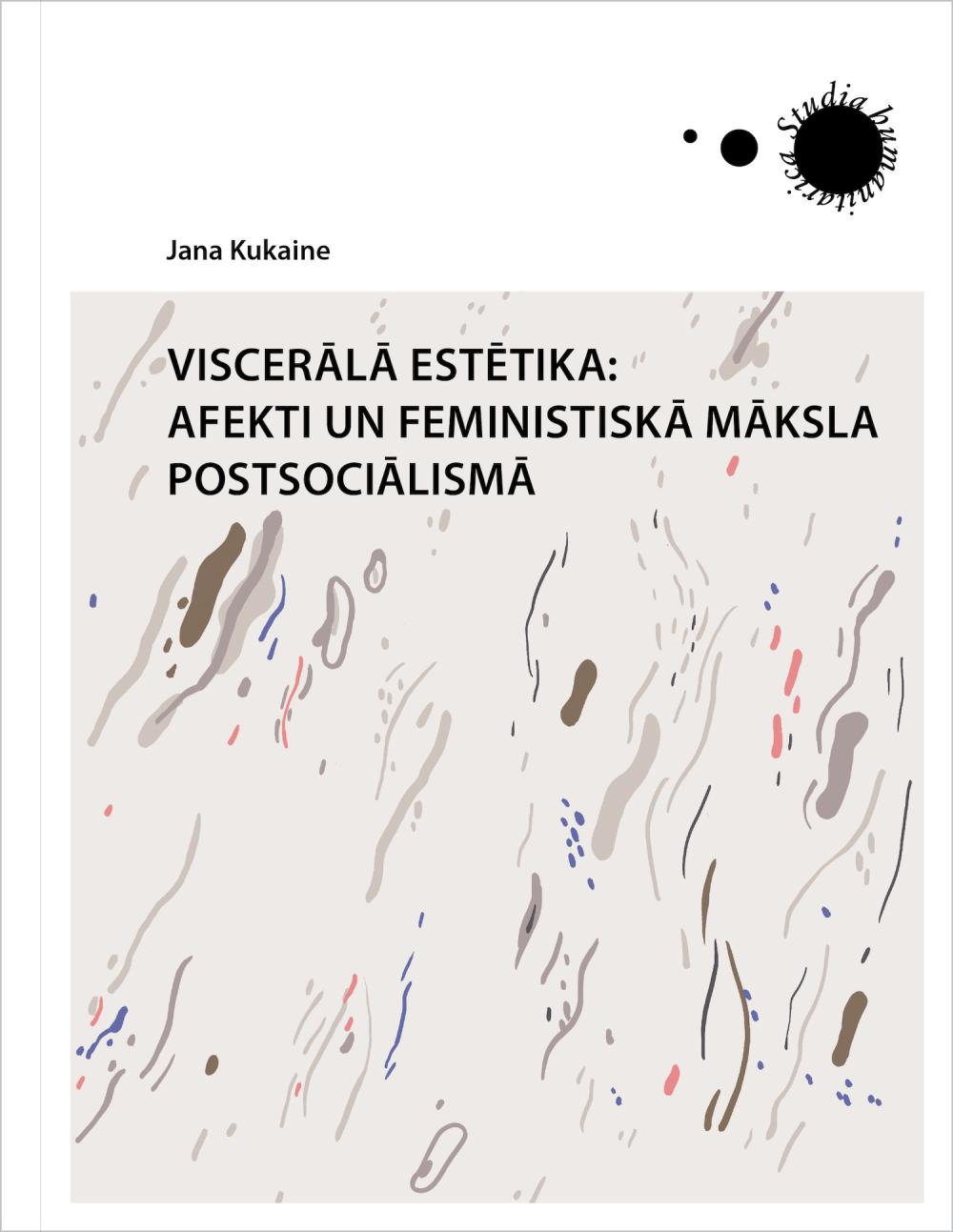
Jana Kukaine

Viscerālā estētika: afekti un feministiskā māksla postsociālismā

€10.50

This book addresses the issue of feminist art in postsocialism, this term being used as an analytical category not limited to a specific time or geography in a narrow sense. Instead, postsocialism is viewed as a new global order emerging after the collapse of the Soviet Union, with transnational implications that extend to feminist research. While engaging with theoretical frameworks of feminist aesthetics and the philosophy of art, and affect theories, with a focus on the patterns and rhythms of everyday life, attachments, connections and disjunctions, body and affectivity, the notion of viscerality is introduced to capture the lived sensibility in postsocialist feminist art.


  • ISBN: 978-9984-893-8-22
  • Series: Studia humanitarica
  • Page Count: 278
  • Language: In Latvian with summary in English
  • Year of Publication: 2024

This book addresses the issue of feminist art in postsocialism, this term being used as an analytical category not limited to a specific time or geography in a narrow sense. Instead, postsocialism is viewed as a new global order emerging after the collapse of the Soviet Union, with transnational implications that extend to feminist research. While engaging with theoretical frameworks of feminist aesthetics and the philosophy of art, and affect theories, with a focus on the patterns and rhythms of everyday life, attachments, connections and disjunctions, body and affectivity, the notion of viscerality is introduced to capture the lived sensibility in postsocialist feminist art. It emphasizes the importance of intimacy, embodied subjectivities, and corporeal vulnerability, as well as their interconnection and ongoing interaction with social and political issues. Visceral aesthetics explore the relationship of postsocialist feminism to contemporary feminist movements, while at the same time enhancing its difference and otherness.